
When long distance breaks your sexual rhythm
Let's be real. Long distance doesn't just mess with your emotions—it messes with your body's memory of arousal. Months of video calls and the occasional visit rewires how quickly your nervous system responds to touch. Absence isn't just absence. It's a reset button you didn't consent to.
When couples reunite after long distance, one of the most common complaints isn't "we don't want each other anymore." It's "nothing feels like it used to." That sensation gap—the disconnect between what your body remembers and what it's actually feeling—is real, physical, and fixable.
Here's the thing: the lemon vibrator's pattern library exists for exactly this reason. Different patterns trigger different neural pathways. Some wake up sensation. Some rebuild trust between your body and pleasure. Some just feel so damn good that you remember why you missed this in the first place.
Why long distance changes arousal response
Three months apart isn't three months of not having sex. It's three months of not having that particular person's touch. Your body learns patterns. The way your partner touches you, the rhythm they use, the pressure, the timing. Long distance erases that muscle memory almost completely.
When you reunite, your nervous system is running on old software. You might feel numb where you used to feel everything. Or hypersensitive to the point of discomfort. Or stuck somewhere in between—aware that you want touch but unable to access the arousal response that used to come naturally.
This isn't psychological. It's neurological. Touch deprivation literally dampens the nerve pathways that fire during arousal. A lemon vibrator's consistent, adjustable stimulation can rewire those pathways faster than irregular partner touch can, especially in those crucial first weeks of reconnection.
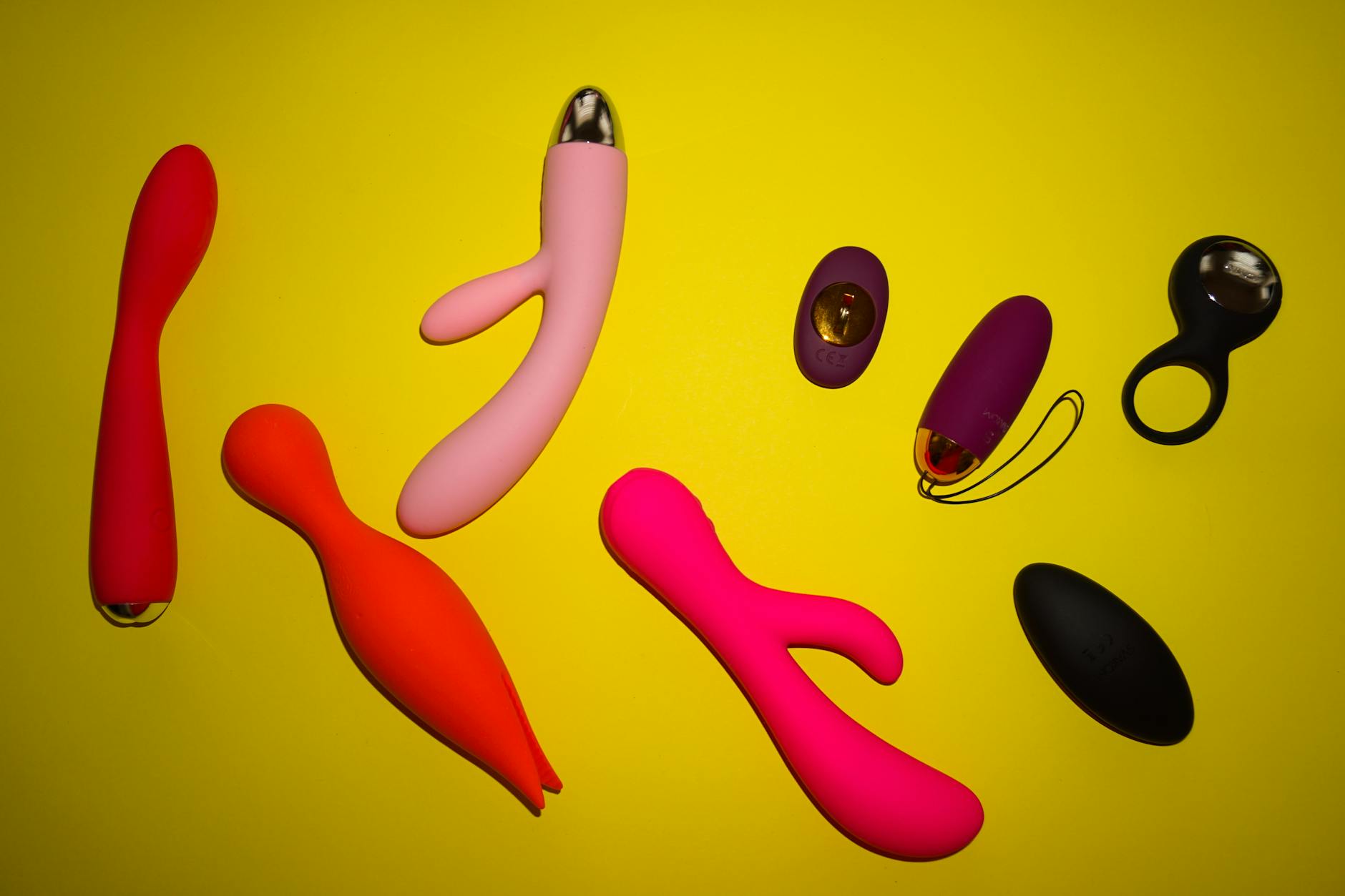
Photo by DRT.fm on Pexels
Pattern one: The steady pulse (for rebuilding baseline sensation)
If nothing feels like much right now, start here. The steady pulse pattern—a consistent beat without variation—is the sensory equivalent of a home base. It doesn't surprise you. It doesn't demand anything. It just reminds your clitoris what stimulation feels like.
This matters because arousal isn't binary. It's a spectrum. After long distance, you might be at a three out of ten, and your partner expects you to get to an eight instantly. That pressure kills the reconnection before it starts. The steady pulse lets you sit at a three, then a four, then a five, without anyone feeling disappointed.
Run the steady pulse on the Lem's pattern one or two for about five to ten minutes. Solo, not with a partner. The goal isn't orgasm. The goal is reacquaintance. This isn't lazy. This is strategic. Your body needs to remember what pleasure looks like before it can build on it.
Most couples skip this step and jump straight to high-intensity patterns or partner play. That's why they end up in the "I just felt nothing and now I'm embarrassed" spiral. The steady pulse prevents that.
Pattern two: The variable rhythm (for rebuilding anticipation)
Once sensation is back online, your nervous system needs practice managing change. This is where the variable rhythm patterns come in. These aren't constant. They speed up, slow down, pulse, pause. They keep your brain engaged instead of letting it zone out.
With a partner, this matters because you're both learning each other's bodies again. The variable rhythm teaches you to pay attention. It trains your arousal system to stay present instead of ghosting into autopilot. When your partner touches you after, that inconsistency won't feel foreign. It'll feel like the natural next thing.
I recommend the Lem's patterns four through six for this phase. Start at a medium intensity and let yourself actually feel the shifts in the pattern. Notice which beat gets you leaning into it. That information is gold when you're reconnecting with your partner.
Pattern three: The intensity ramp (for rebuilding confidence in your own response)
This is the pattern that rebuilds the belief that your body still works. After long distance, many people don't trust their own arousal anymore. They've had too many reunions where "nothing happened" or where they couldn't come even though they wanted to.
The intensity ramp pattern starts gentle and gradually builds. It's a permission structure. Your body gets to warm up at its own pace without anyone checking their watch. By the time you hit the peak, you're not thinking about whether this "should" feel good. You're too busy feeling it.
Use this alone first, not with a partner. You need to rebuild your own confidence in your responsiveness before you add another person's expectations into the equation. The intensity ramp on patterns eight or nine of the Lem, at a medium starting intensity, usually does the work in about fifteen to twenty minutes.
Integrating the lemon vibrator into partner reconnection
Here's where most people get confused. You use a lemon clitoral vibrator solo to rebuild your own baseline. Then what? Do you hide it when your partner shows up?
Absolutely not. Here's the real play: once you've spent a week or so reconnecting with your own sensation using patterns one and two, introduce it into partner time. Not instead of partner touch. Alongside it. Your partner touches you while you're using the Lem on a low pattern. Or you hand them the Lem and talk them through which pattern you want.
This serves three purposes. One, your body gets consistent clitoral stimulation while your partner provides other touch. That combination rewires arousal faster than either alone. Two, it removes pressure. If you're not responding, there's a clear mechanical reason to troubleshoot, not a relationship reason to panic. Three, it's collaborative. You're both learning what your reconnected body needs.
Intensity level matters more than you think
After long distance, your tolerance for intensity often shifts. Some people come back hypersensitive. Others find they need more intensity to feel anything. This isn't permanent. But ignoring it derails reconnection.
Start the lemon vibrator at intensity level one or two, regardless of which pattern you choose. Yes, even if you used level eight before long distance. Your body is essentially relearning arousal. Feed it data gradually. Intensity isn't a measure of how serious you're being about pleasure. It's a starting point for information gathering.
Move up one level every few days if you want to. This slow climb lets your nervous system adjust without shock. Most people find their new baseline sits somewhere between their old settings and what they remember. That's normal.
The timeline that actually works
Week one: Solo time with steady pulse patterns. Five to ten minutes, once daily. This is about sensation, not orgasm. If orgasm happens, cool. If not, you still did the work.
Week two: Introduce variable rhythm patterns solo. Let yourself spend more time with the patterns that feel good. Start noticing what you're drawn to. That preference data matters for what comes next.
Week three: Solo intensity ramp work. Rebuild confidence in your own arousal response. You should start feeling noticeably more responsive by the end of this week.
Week four onward: Integrate with your partner. Start with the partner using it on you while you're providing other kinds of touch. Then escalate if both of you want to.
Is this timeline too slow? That depends on your priorities. If you want a quick fuck to feel normal again, this will feel tedious. If you want to actually rebuild what long distance took from you—that embodied knowledge of what your partner's touch feels like, what your own arousal feels like, how you two fit together—this timeline works.
When the lemon vibrator helps more than partner touch
Here's the piece most relationship advice misses. For the first month of reconnection, a lemon vibrator's consistent stimulation actually rewires your nervous system faster than your partner can. Not because your partner's touch is bad. Because it's variable. It comes and goes. It requires your partner's attention and arousal.
Your lemon clitoral vibrator doesn't get tired. It doesn't need reassurance. It doesn't need you to return the favor. It's purely responsive to your pleasure, which is exactly what your nervous system needs to remember.
Eventually, your body will become responsive enough that partner touch becomes the preferred thing again. That's the goal. But denying yourself the tool that gets you there fastest isn't noble. It's just slow.
The emotional layer
Long distance breaks the habit of being a sexual being together. That's about more than sensation. It's about identity. After months apart, many people feel like they've forgotten how to be a sexual partner. This doesn't mean desire is gone. It means the embodied knowledge of "I am someone who has sex with this person" has faded.
The lemon vibrator rebuilds that knowledge at a neurological level. When your nervous system remembers what arousal feels like in your body, the psychological reconnection follows. You start feeling like yourself again in that domain. That's when partner sex becomes fun instead of a test you might fail.
The pattern you'll keep coming back to
After you've worked through reconnection, most people settle into one or two patterns they prefer. For post-long-distance couples, that's usually either the variable rhythm for novelty and engagement, or the intensity ramp for that permission to slowly build. One pattern you use solo, one you use with your partner.
You don't need to rotate constantly. You need the pattern that makes your nervous system say "yes, I remember this feeling." That's the pattern that earns a place in your regular rotation.
FAQ
Can I use the same pattern my partner and I used before long distance?
Maybe, but probably not immediately. Your body has changed. Not in a bad way—in a dormant way. Starting with lower-intensity, simpler patterns and working back up usually works better than jumping straight back to complexity. Give yourself two to three weeks before you return to pre-distance patterns.
Does using a lemon vibrator make partner sex harder to achieve?
No. The opposite. Using a lemon clitoral vibrator consistently for the first month of reconnection actually primes your nervous system to respond to partner touch more quickly. You're not replacing partner sex. You're rebuilding the infrastructure that makes partner sex feel good.
What if the lemon vibrator feels better than partner sex during reconnection?
That's temporary data, not a permanent truth. The vibrator feels more consistent because it is more consistent. That consistency is useful for nervous system retraining. As you reconnect with your partner and they learn your body again, partner sex will shift. The question isn't "why does the vibrator feel better," it's "what does the vibrator teach my body that I can build on with my partner."
Should we use the lemon vibrator together immediately or wait?
Wait one to two weeks. Reconnect with your own body first. Once you're feeling responsive again, bring it into partner play. This order matters because partner anxiety can block arousal. Solo reconnection removes that variable.
How long until everything feels normal again?
Most couples report that arousal response normalizes by week four or five of reunion, especially if they're intentional about the reconnection work. Physical responsiveness usually comes back faster than the emotional ease of being sexual together. Both take time, but four to six weeks is a realistic window if you're using the right tools.
Can the lemon vibrator help if we're doing long distance again soon?
Absolutely. Regular use of the lemon vibrator solo keeps your nervous system primed while you're apart. This doesn't replace partner sex, but it does keep your arousal pathways from going dormant during the separation. When you reunite next time, you won't be starting from zero.
The real reason reconnection takes time
Long distance doesn't break your relationship. It doesn't break your desire. It breaks the habit of being embodied together. A lemon vibrator's steady, responsive patterns rebuild that habit at the nervous system level. That's not a workaround for emotional reconnection. It's the foundation that makes emotional reconnection feel good again.
If you're back together after long distance and nothing feels quite right yet, that's not a failure. It's a signal that your body needs a little strategic help remembering how to respond. That help exists. Start with the steady pulse, trust the process, and give your nervous system the time it needs. Your partner's there. Your desire's there. Sometimes your body just needs a clear pathway back to both.
Start your reconnection
Ready to rebuild sensation after long distance? The right tools make all the difference. Contact Hell A Nancy's if you have questions about which lemon vibrator patterns work best for your timeline or situation. We're here to help you reconnect the way that actually works for your body.